Why plug-in hybrid fuel figures are so far off — and what changes from November 2026
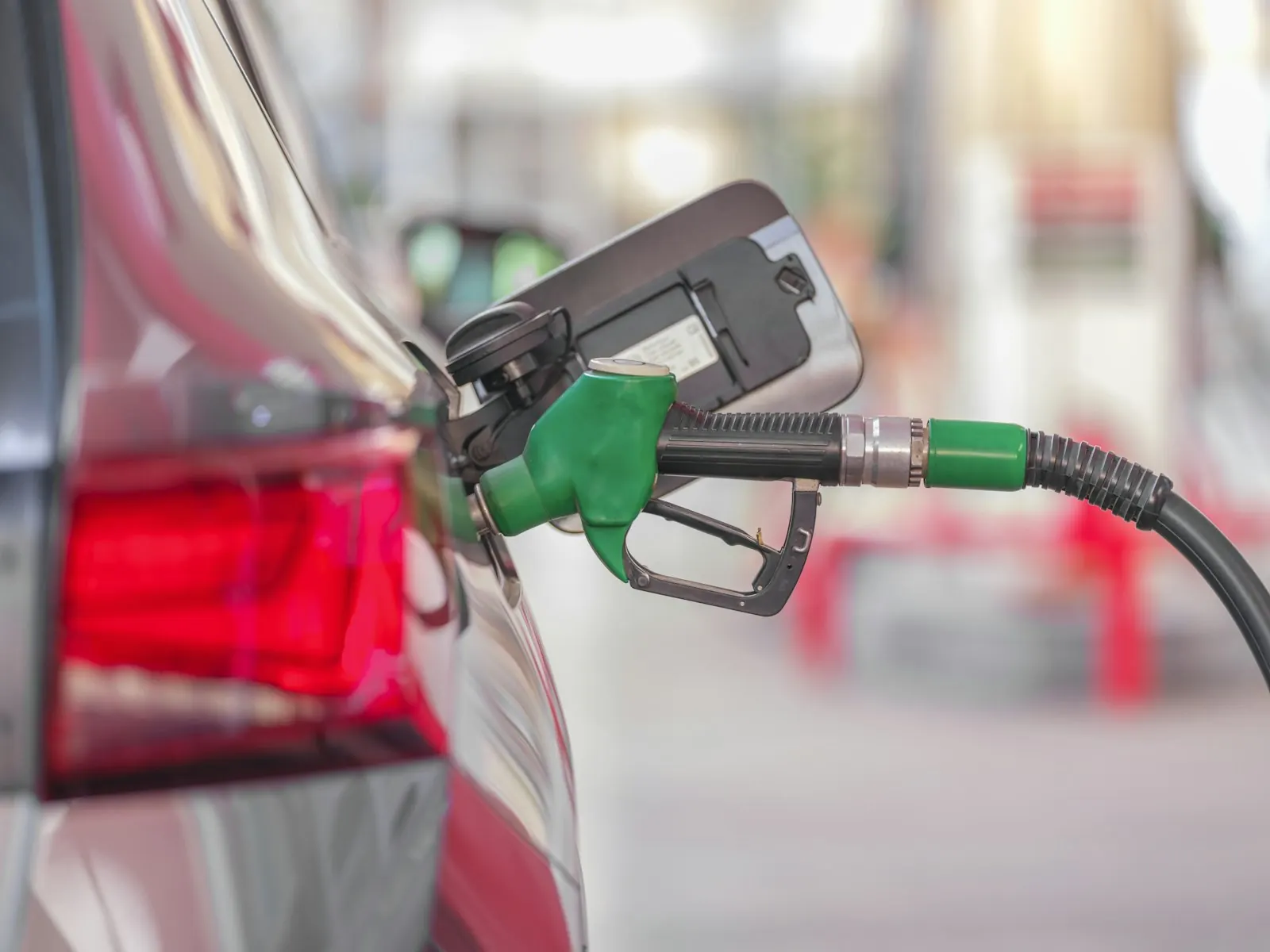
- In the EEA's 2024 fuel meter data, plug-in hybrids used 6.2 L/100 km on average, against about 1.4 L/100 km implied by their official CO2.
- They covered about 28% of their distance with the engine off.
- Transport & Environment puts the extra fuel cost at up to €680 a year for a car sold in 2024.
- The next EU correction to the official test is due from November 2026.
Every new car sold in the EU since 2021 has an on-board fuel consumption meter. The European Environment Agency publishes those readings every year. The 2024 release includes 1,280,255 plug-in hybrids with a usable reading, and it tells a different story from the brochure.
The test assumes how you charge
The official figure blends two numbers: fuel use with a full battery and with an empty one. The weighting comes from a "utility factor", an estimate of how much driving happens on electricity. For a car with about 60 km of range, it assumes more than 80%.
Real owners charge less often, drive further and use the engine more. An analysis of the 2021–2023 fuel meter data by Fraunhofer ISI, the Oeko-Institut and ifeu found plug-in hybrids drove about a quarter of their distance on battery alone.
In its October 2026 analysis, Transport & Environment estimates that real-world plug-in hybrid emissions are only about 14% lower than those of conventional petrol and diesel cars, while official figures imply a cut of about 83%.
The gap is growing
Transport & Environment found that plug-in hybrids registered in 2024 emitted about six times their official CO2 on the road, up from about five times in 2023. Carmakers responded to the first correction of the test by fitting bigger batteries, which raises the official electric share without guaranteeing that owners plug in.
Why our figure is lower (4.5× rather than about 6×). The two numbers measure different groups of cars. T&E's six times refers to plug-in hybrids registered in 2024. Our figure covers every plug-in hybrid in the EEA's 2024 reporting data, which also includes cars registered in earlier years; T&E's own numbers show the gap was smaller for earlier registrations (about five times for 2023). We also compare litres of fuel per 100 km with the fuel use implied by the official CO2 figure, and report one average across all models. Both approaches point the same way: real fuel use is several times the official figure.
What changes from November 2026
The EU is correcting the utility factor in two steps. The first applied to new approvals in 2025/26. The second is due from November 2026, although Germany has reportedly pushed to freeze it.
What it means for UK company car drivers
Newer plug-in hybrids approved to the stricter Euro 6e-bis standard show higher official CO2. HMRC's easement (EIM24710) is in force now: a car first registered between 1 January 2025 and 5 April 2028, approved to Euro 6e-bis or later, with official CO2 of 51 g/km or more and an electric range of at least 1 mile, is treated as 1 g/km for company car tax, and its percentage is then set by its electric range. The easement applies until 5 April 2028, and for cars already provided until the earlier of a change of contract or 5 April 2031. It does not change vehicle excise duty or capital allowances. From April 2028 all cars with 1–50 g/km pay a flat 18% (19% from April 2029) under Finance Act 2025, section 5. Details and current rates are in our UK company car tax guide. Last checked 22 October 2026. This is general information, not tax advice.
Check your own model
Search any of the 172 models with enough cars in the data, or see them all ranked.